Wine Styles

A vast spectrum of wine styles are produced in the Swan Valley. Very few other wine regions would be able to say that they are able to produce a range of wines from sparkling through to fortified styles in the one region.

The Swan Valley has a strong record of producing whites that are simple, fresh and crisp as young wines and then age for a remarkable period of time of up to 20 years, gaining intense toasty flavours. The most widely grown varieties are Verdelho and Chenin Blanc.

The most amazing feature of Swan Valley red wines is their incredible softness and drinkability at an early age. They are generally picked quite ripe accounting for the sweet fruit, and have lower tannins than wines from other regions. The reds can be equally long-lived.

White Wine - Key Varieties

Chenin

Grape vines have been grown in the Swan Valley since 1829, perhaps none more successfully than Chenin Blanc. Originally from the Loire Valley in France, this sun-loving varietal, with its delicate floral aromas, apple-like flavours and zingy acidity, thrives in the Swan Valley. The Indian Ocean climate brings out its best, allowing the grapes to always ripen to their optimum.

Given its superstar status in the Swan Valley, it is the most widely planted white grape variety. Annually, the Region crushes around a third of Australia’s Chenin Blanc.

The quantity is matched by quality. With Chenin, old vines create finer wines as it takes at least 20 years for Chenin vines to start producing their best fruit. And what a versatile fruit it is, making wines from sparkling through to still; crisp and dry through to luscious and sweet.

Legendary winemaker, Jack Mann, proved vintage after vintage that Swan Valley Chenin Blanc could be the best wine in Australia. Today, the Valley is at the epicentre of the premium Chenin renaissance. Inspired by Mann, winemakers are letting the wine world know Swan Valley Chenin Blanc wants its crown back.

Verdelho

The Swan Valley and Verdelho were made for each other. The early vignerons were right in assuming this Portuguese varietal would suit the Valley’s long, warm summers and cooling ocean breezes. In fact it does so well, that a block of Verdelho planted in 1895 at what is now Mandoon Estate, is still going strong.

When it was first planted, the fruit would have been used to produce fortified wines like in its home of Madeira. As late as the 1970’s, 85% of Verdelho was fortified. Over time winemakers recognised that Verdelho’s delicious tropical fruit flavours would also make excellent, fruit-driven dry white table wines. Today, the figures are inversed and 85% of Verdelho is table wine.

For modern Verdelho styles, it’s about not letting the fruit get too ripe. It is picked when it achieves the perfect balance between Verdelho’s natural delicate acidity and fresh aromatic fruit flavours. The rich honeysuckle flavours are allowed free reign, without the influence of new oak.

World-renowned Master of Wine, Jancis Robinson, believes the Swan Valley makes the best Verdelho in the world.

Red Wine - Key Varieties

Grenache

First planted in the Swan Valley in the 1860s, Grenache has been under vine ever since. Historically, local winemakers used it to produce world-class port-style wines. Now they’re exploring Grenache’s other side, creating luscious lighter style wines that pair perfectly with spiced dishes, roasted meats and cheeses.

With Grenache less is more – the lower the yield, the better the wine. Between the Swan Valley’s rocky, tough shallow soil, warm climate and old vines (average vine age is 35 years plus, however it is not uncommon to find pockets in excess of 60 years old), Grenache naturally receives the tough love that brings out its best.

Grapes are picked earlier to retain acidity and the fresh red fruit characters. Often a portion of whole bunches are used during fermentation to accentuate the fragrance of the wine and give extra structure, and little or no new oak is used.

These changes have completely shifted the style of Grenache and winemakers often refer to it as “warm climate Pinot Noir”.

Old vines, low yields and modern winemaking are generating serious buzz for Swan Valley Grenache.

Shiraz

It is the varietal that certainly helped put Australia on the world wine map. You’ll find Shiraz in just about every wine growing region as it consistently performs well in cool through to warm climates and a variety of soil types.

The Swan Valley produces warm climate Shiraz to rival some of the best known regions in Australia. The Valley’s gravelly soil naturally controls the vine’s vigour, while warm summer days tempered by cool ocean breezes allow the grapes to always ripen to perfection. The resulting fruit produces plush, medium to full-bodied wines full of delicious dark fruit flavours.

Swan Valley Shiraz is renowned for its softness and length. This provides wines with a suppleness and drinkability while young. The quality of the fruit however, also allows winemakers to test their long game; to create wines that are great now but have the ability to become even greater with time.

If you’ve sipped your way around the Shiraz world, it’s time to discover the outstanding varieties being produced in your own backyard by these wineries.

Fortified Wines & Liqueurs

Fortified wines

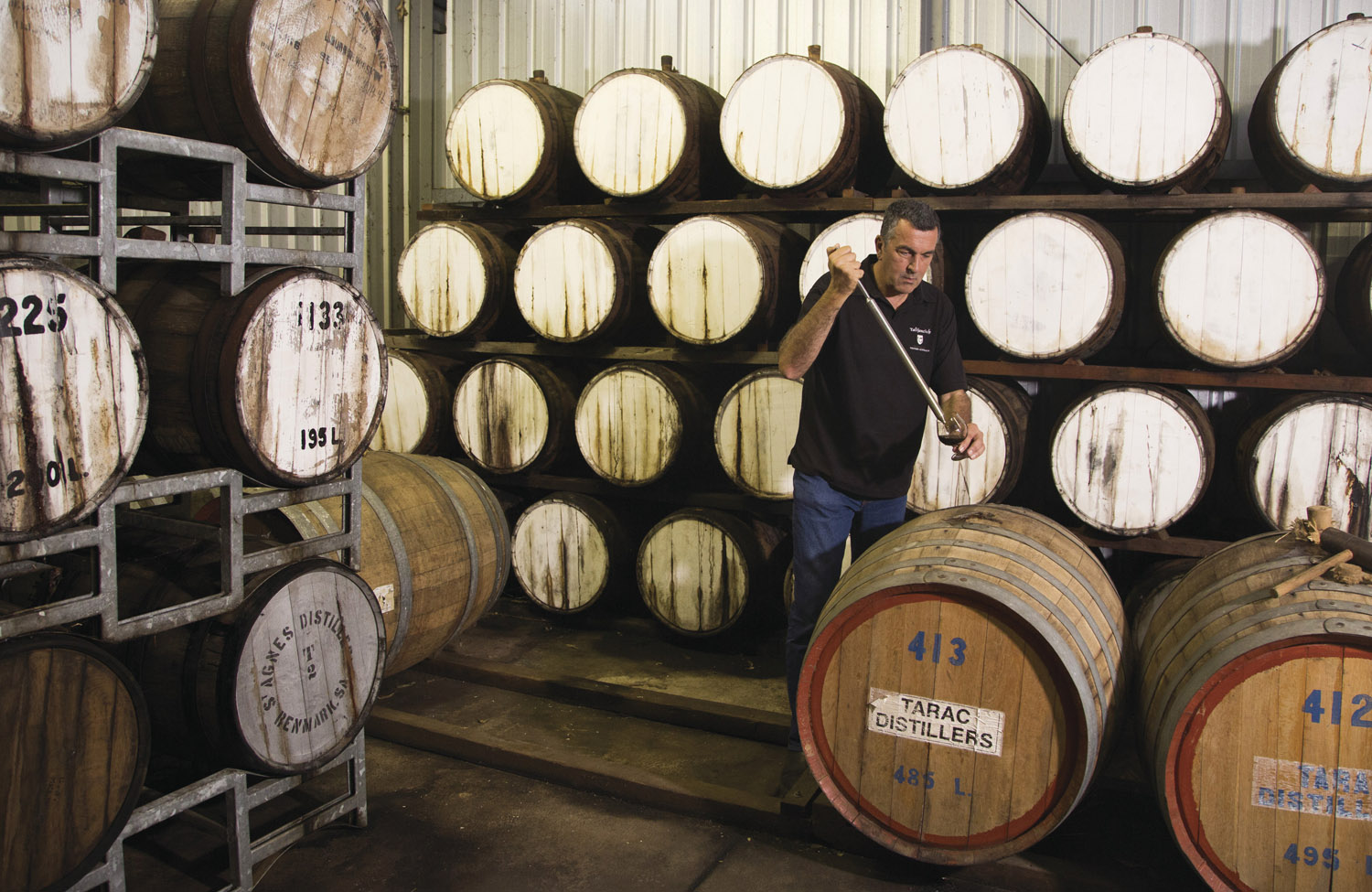
When the first vines were planted in the Swan Valley in 1829, domestic refrigeration was nearly one hundred years away. Consequently, the majority of wines produced would have been fortified with the addition of a distilled spirit – by raising the alcohol content, they’d prevent the wine from spoiling.

The Valley’s endless summers translate into sweet ripe fruit, that if left to dry on the vine, can achieve the levels of sugar needed to produce liqueur-style fortifieds. Varietals like Grenache and Shiraz easily attain high levels of ripeness to make other fortified styles such as Tawny and Vintage Port.

Sitting beneath the umbrella of fortified wines are a variety of styles, including liqueur from Verdelho, Muscat and Pedro Ximenez, and Port styles from Shiraz and Grenache.

The Swan Valley is renowned for producing world-class fortified wines that can take decades to make. Equally timeless is the production style; third generation winemakers are still using the same techniques and vines as their grandparents.

Fortified wines are the embodiment of history in the making – reflecting time and tradition. Swan Valley wineries are amongst the top of the class.