In 1827, Captain James Stirling discovered what First Australians had always known; the Swan Valley is a natural food bowl. Upon seeing the rich alluvial soil along the riverbank, he recommended a colony be established in Western Australia.
The first vines were planted in 1829, making the Swan Valley Australia’s second oldest wine growing region. For the next 150 years, it was WA’s only wine region. And it is still the only wine region in the world, within a 25-minute drive of a major capital city.
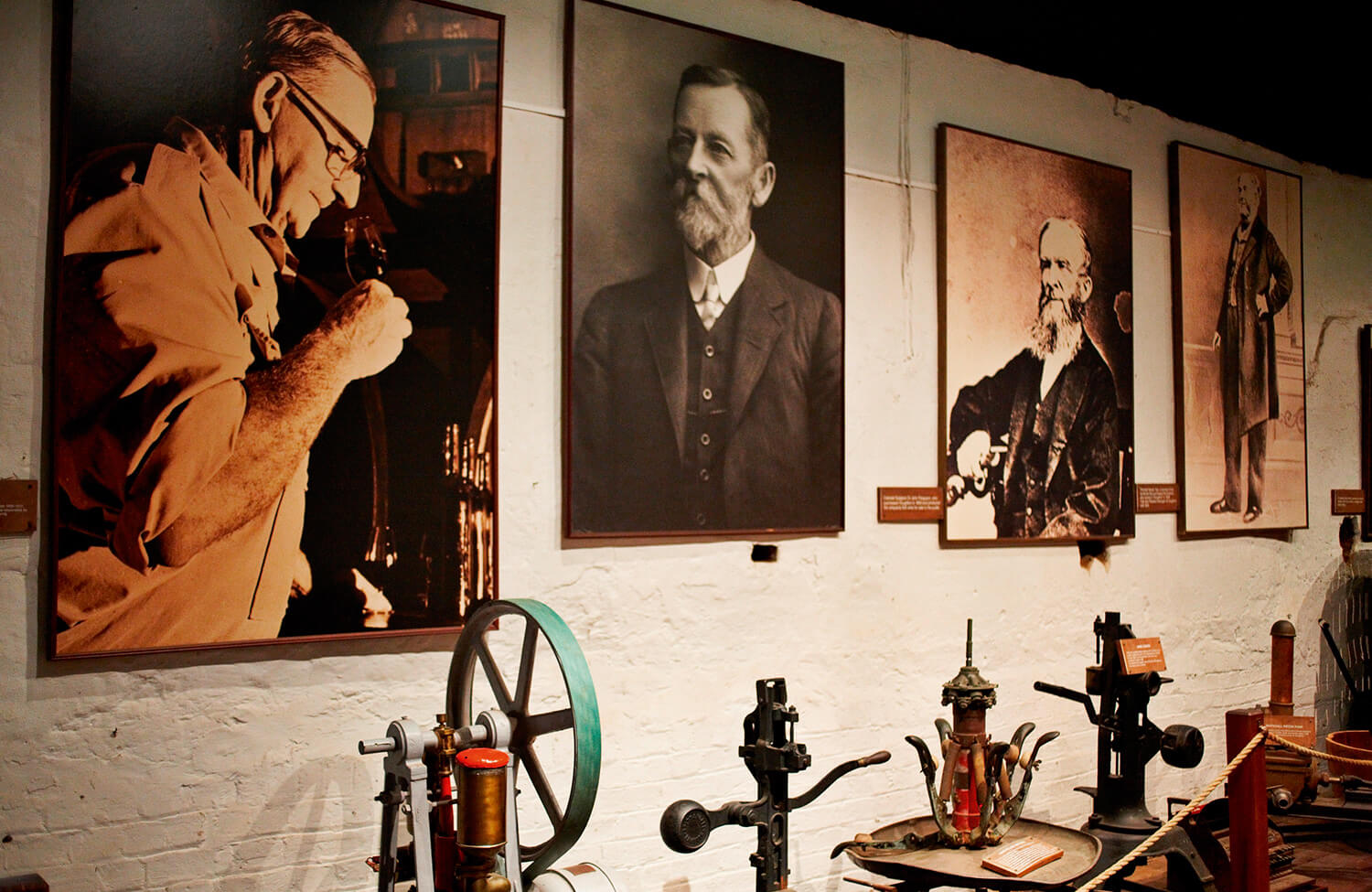
What the British started, the Croatians and Italians perfected. Arriving in the Swan Valley from 1916 onwards, they were outstanding vignerons with generations of experience. Experts in disease control, pruning and warm climate varietals, they knew how to get the best possible results from the land. The only catch was you had to be family or friends to enjoy their wine. Production was primarily for home consumption, with most vines growing dried fruit for export. In 1937, Jack Mann put the Swan Valley on the national and international winemaking map when his Chenin-Blanc based wine swept first prize at the Melbourne Wine Show in its maiden year, and again the following year. The wine, Houghton White Burgundy (now Houghton White Classic), has gone on to become one of the most acclaimed wines in the country.
His son, Dorham Mann, had an equally transformative effect on the Valley. In his role as State Viticulturalist, he introduced producers to cold fermentation in the 1970s, ushering in the modern age of winemaking.
This family heritage is still very much a part of the Swan Valley today, with many of the vineyards now being run by third or fourth generation winemakers. Their history is entwined with the vines and they seek to create wines that express this living heritage.